

Growth and crisis

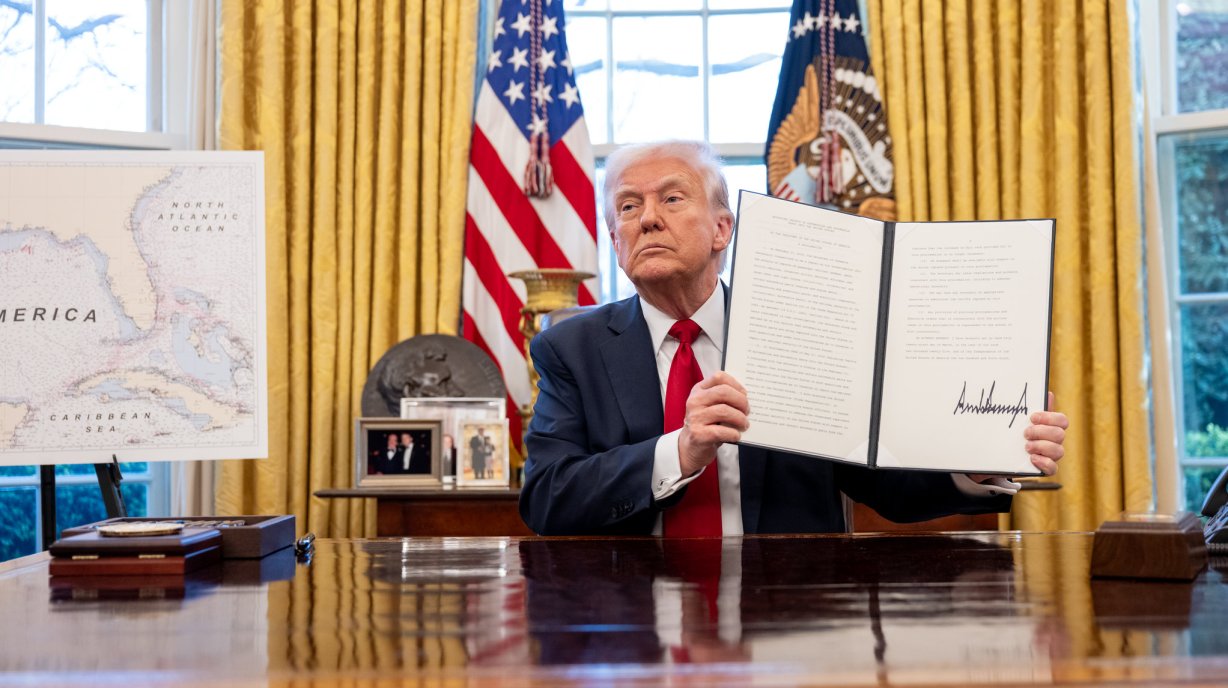
President Trump Auto Tariffs Announcement in the Oval Office - March 26, 2025 © The White House, United States Government Work
Since 2018, the Trump administration has been waging a trade war through successive hikes in customs duties. Has this policy protected the American economy? Researchers argue that, by fuelling uncertainty, it may in fact be producing the opposite effect.
“I have instructed my Secretary of Commerce to add an ADDITIONAL 25% tariff, bringing the total to 50%, on all STEEL and ALUMINUM COMING INTO THE UNITED STATES FROM CANADA [...] This measure will take effect TOMORROW MORNING.”1
Since returning to the White House, Donald Trump has made tariffs one of his preferred political tools. Through a steady stream of social media posts, he has rolled out targeted tariff escalations that repeatedly catch America’s trading partners off guard. During his inauguration speech on January 20, 2025, the U.S. president famously declared that “tariff” was “the most beautiful word in the dictionary.” Since then, he has multiplied announcements and reversals alike. The result has been sharp tariff volatility – that is, major fluctuations around the average level of duties imposed.
In February 2026, Bernd Lange, Chair of the European Parliament’s Committee on International Trade, summed up the situation bluntly on X: it was “total chaos on the customs front [...]. Nobody understands anything anymore.”
Yet Donald Trump continues to defend this policy as a key instrument for securing prosperity for American citizens. Those who oppose tariffs, he insists, “are IDIOTS! We are now the richest and most respected country in the world”2.
But sudden and repeated changes in import duties create uncertainty for both businesses and households, making it difficult to plan spending, investment, or hiring decisions. This raises a central question: does Donald Trump’s tariff policy truly protect the U.S. economy, or is it ultimately undermining it instead?
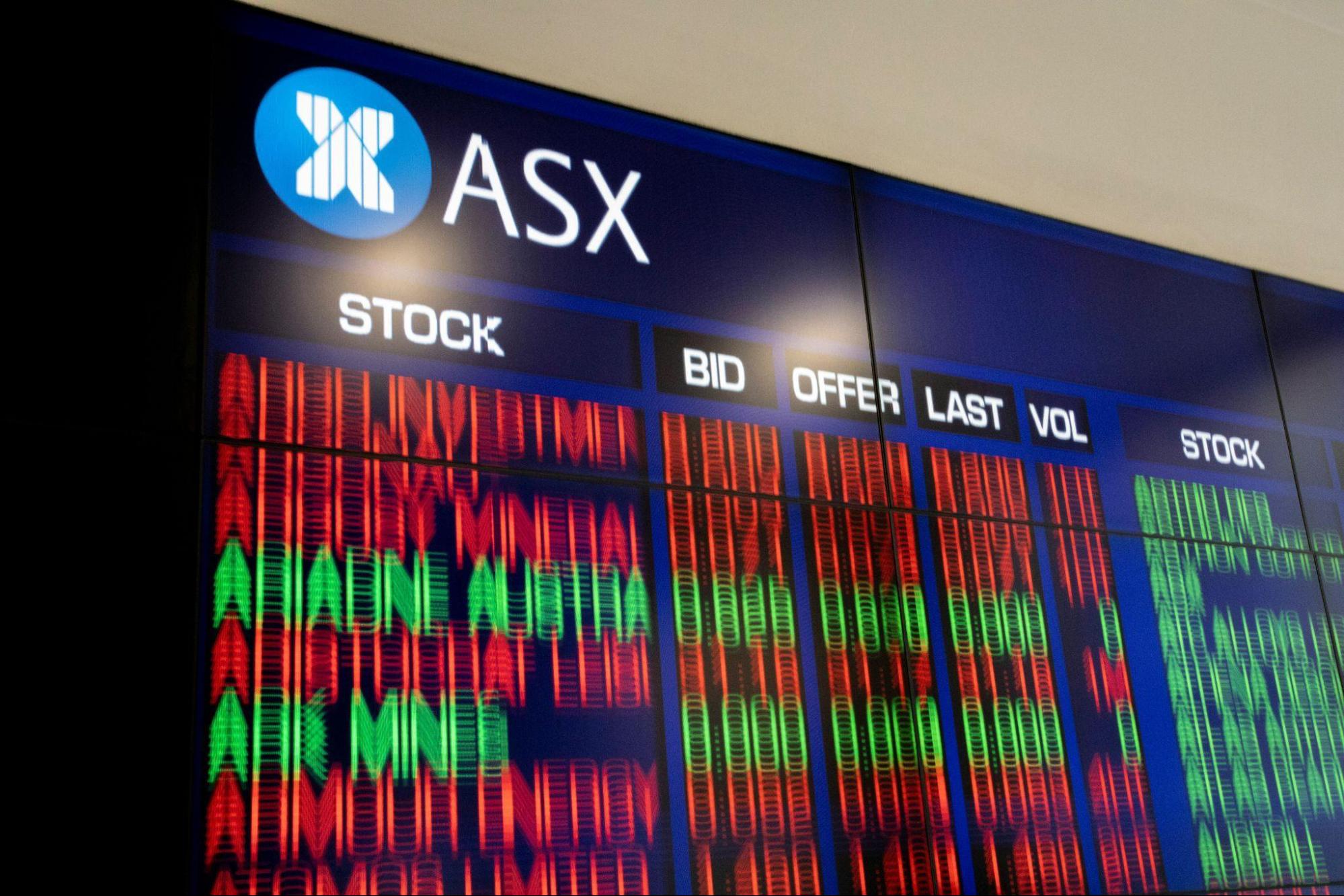
Economists’ interest in uncertainty is not new. In fact, this field of research has expanded considerably over the past decade, particularly after the unexpected Brexit vote in 2016. Measuring uncertainty, however, remains difficult3. Three main approaches have emerged.
In 2016, three economists developed an “Economic Policy Uncertainty” index (EPU) using textual analysis of hundreds of newspaper headlines. That index has risen sharply since 2025. Uncertainty can also be measured through market volatility, as with the VIX, created by the Chicago Board Options Exchange and sometimes nicknamed the “fear index”4. The VIX shows that periods of high volatility have coincided with several major economic crises, including the 2008 financial crisis and the 2020 pandemic. Finally, a third way of measuring uncertainty relies on surveys conducted among businesses, particularly regarding their expectations for future activity.
Economists Céline Poilly and Fabien Tripier, for their part, developed a new measure of uncertainty linked specifically to trade policy by examining tariff volatility and its impact on the U.S. economy at the regional level.
Measuring volatility in tariffs applied to goods imported into the United States is more complex than it may seem. Customs duties depend not only on the country of origin of imported goods, but also on the type of product involved. For an American automobile manufacturer, importing steel from China or from Canada does not imply the same customs barrier.
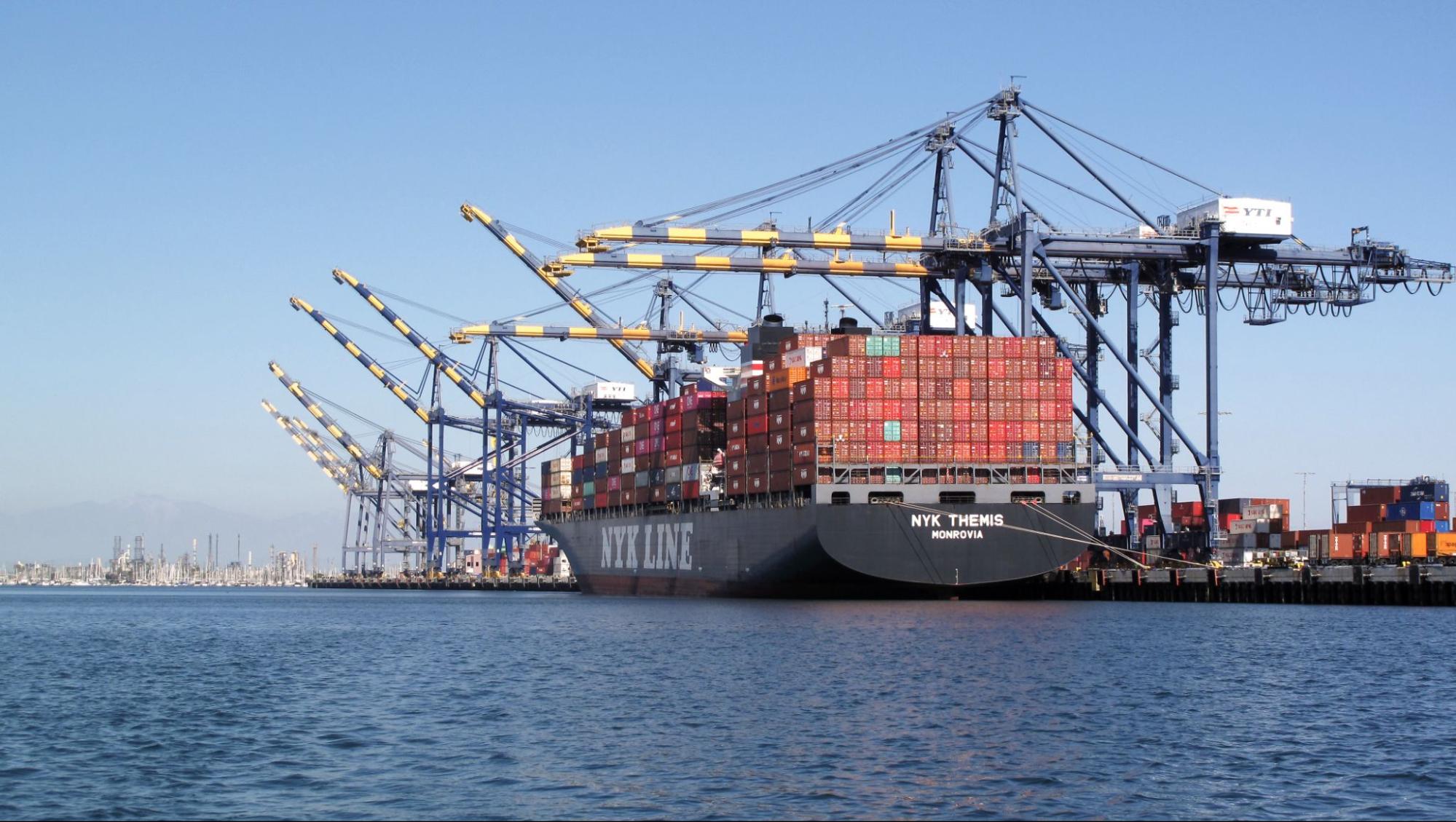
Rather than attempting to reconstruct every customs decision affecting U.S. imports, the researchers simply relied on the actual amount of tariff revenue collected each month. These data are published sector by sector by U.S. customs authorities. The researchers then divided this amount by the real value of imported goods, allowing them to calculate a sectoral tariff rate. In this way, they reconstructed the evolution of tariff rates between 2008 and 2020 across 15 industrial sectors, including transportation, chemicals, wood, and metallurgy.
They then calculated a volatility index – the TPU, or “Trade Policy Uncertainty” index. The farther a tariff rate deviates from its average level, the greater its volatility. Some products experienced particularly high volatility in 2018, especially metals, which underwent a genuine “volatility shock” during the Trump administration’s first trade war.
Once this index had been constructed, the researchers examined the economies of different U.S. states according to their degree of exposure to tariff volatility.
Depending on the sectoral composition of their imports, states are more or less exposed to uncertainty. New York State, for example, relies heavily on imports in sectors such as “stone and glass” and “textiles,” where tariffs experienced especially unstable swings.
The researchers found that states most exposed to tariff volatility suffered deeper recessions, with the economic downturn peaking roughly two years after the initial shock itself.
According to the researchers, this recession – reflected in a decline in state-level GDP – results from two mechanisms. First, uncertainty pushes worried households to increase savings at the expense of consumption. Second, it encourages companies to raise their profit margins.
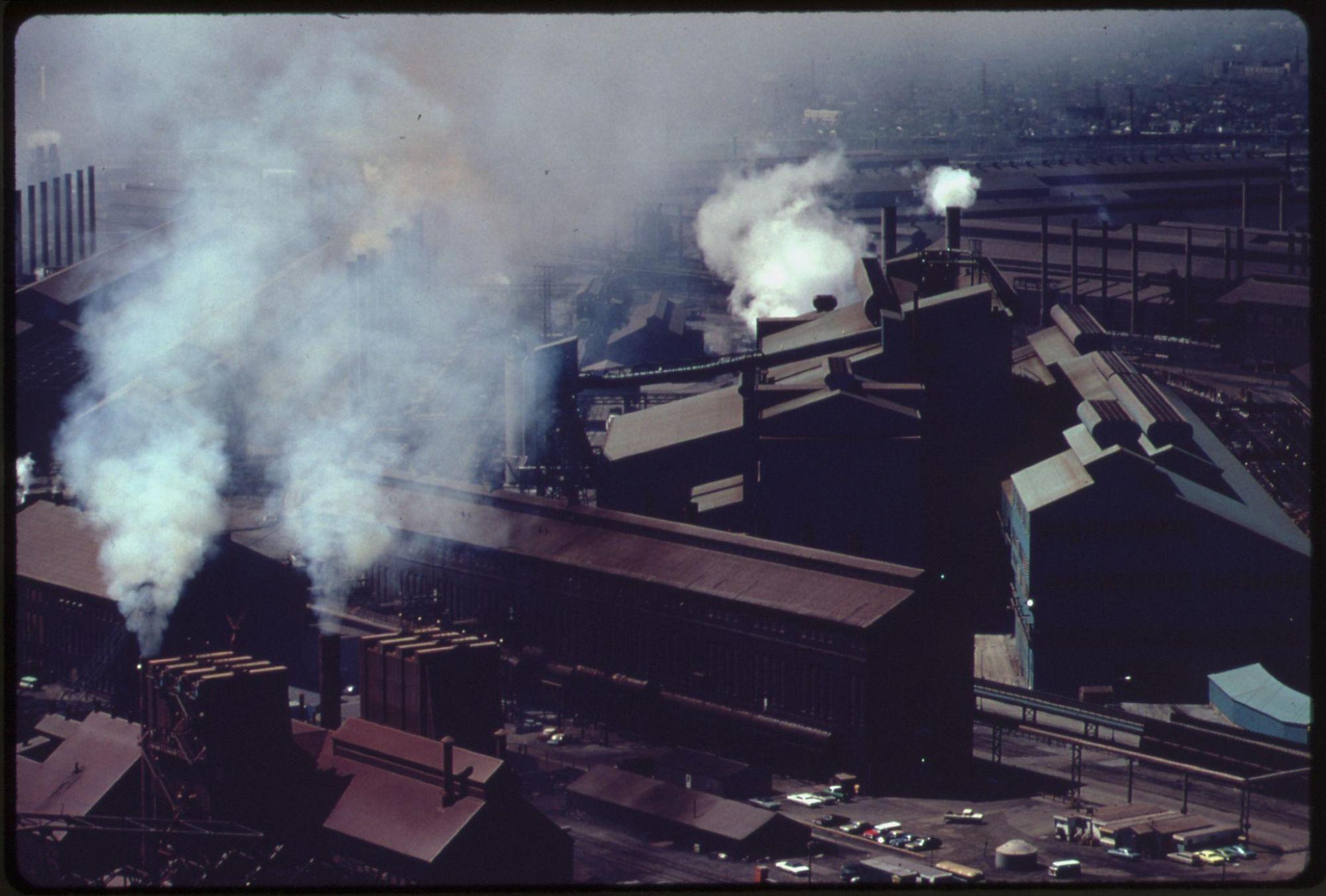
This volatility also has a direct impact on the jobs of American workers. The stakes are high for Donald Trump, who promoted these tariffs as a shield designed to protect American labour. Politically, the message proved effective: during the 2016 presidential election, part of the working class in the Rust Belt – a region in the northeastern United States marked by decades of deindustrialization and unemployment – turned away from the Democratic Party to support the Republican candidate.
Unfortunately for those voters, the choice appears to have delivered little benefit. The researchers show that the U.S. states most exposed to tariff uncertainty – particularly those in the Rust Belt – also experienced the steepest declines in total hours worked. Moreover, the drop was driven not by shorter working hours, but by falling employment levels: concerned businesses postponed hiring decisions. The decline was especially severe in manufacturing, which was hit harder than the services sector.
The United States is therefore paying a heavy price for the American president’s tariff policy, contradicting the promises made during his election campaigns. Donald Trump has repeatedly praised his protectionist agenda as the only way to safeguard American citizens, especially his blue-collar electoral base. Yet by imposing abrupt and unpredictable tariff increases at will, he appears to be producing the opposite outcome. Whether tariffs rise or fall, one thing never changes: economic actors loathe uncertainty.
Donald Trump on Truth Social, 11th March 2025.
Donald Trump on Truth Social November 9th, 2025
Hites Ahir, Nicholas Bloom, Davide Furceri, « Les aléas de l’incertitude », International Monetary Fund website (online)
« Measuring fear : what the VIX reveals about market uncertainty », site of the Federal reserve bank of St. Louis, 13 February 2025 (online)

A media that makes economics accessible to all